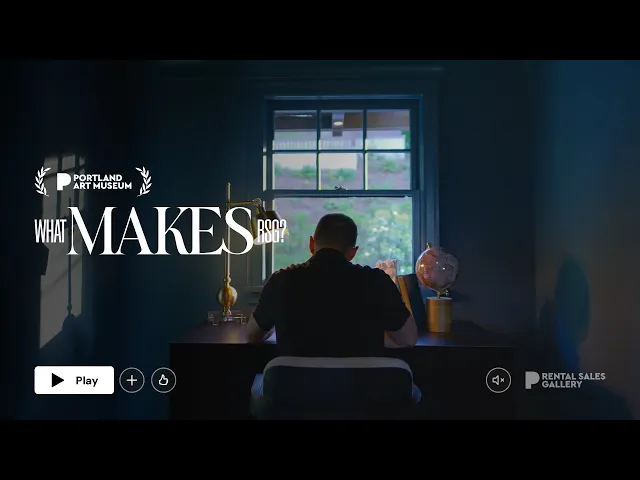
2025 Limited Series
2025 Limited Series
6K
+18
mature themes
mature themes
Genres: Short Film, Documentary Style
Genres: Short Film, Documentary Style
This Show Is: Inquisitory, Emotional, Informative
This Show Is: Inquisitory, Emotional, Informative
E2 "What Makes a Space?"
E2 "What Makes a Space?"
Spaces are made. People are too.
Spaces are made. People are too.

Aaron: husband, realtor, stager. His days are spent shaping spaces, choosing textures, furniture, and artwork that allow strangers to imagine lives they could call home. Yet beneath every home, beneath every wall, lies a history, a story of what was. For Aaron, the story is one of redemption.
Aaron: husband, realtor, stager. His days are spent shaping spaces, choosing textures, furniture, and artwork that allow strangers to imagine lives they could call home. Yet beneath every home, beneath every wall, lies a history, a story of what was. For Aaron, the story is one of redemption.
Aaron: husband, realtor, stager. His days are spent shaping spaces, choosing textures, furniture, and artwork that allow strangers to imagine lives they could call home. Yet beneath every home, beneath every wall, lies a history, a story of what was. For Aaron, the story is one of redemption.
Aaron: husband, realtor, stager. His days are spent shaping spaces, choosing textures, furniture, and artwork that allow strangers to imagine lives they could call home. Yet beneath every home, beneath every wall, lies a history, a story of what was. For Aaron, the story is one of redemption.
Years ago, addiction nearly dismantled Aaron’s life. It wasn’t only alcohol, it was the loss of self. And yet, three lights emerged from his darkness: Faith, Bennett, and Fara. Through the decision to get sober, he discovered a truth mirrored in his work: spaces, like people, can be restored.
Set against Downtown Portland in the restored, historic Rinehart House, Aaron’s journey unfolds. Where walls bear nails to carry beauty, Aaron bore wounds that shaped him, rebuilt through purpose. Each home he stages and sells becomes a quiet altar: every piece of art selected from RSG not merely to impress, but to evoke, to tell a story, to heal.
This episode asks: What makes a space feel alive?
The answer is not square footage. Not design. The answer is the people who bring meaning to the walls, the art that holds memory, and the quiet transformations that unfold in between.
Through Aaron, proverbially, we see that people, like houses and spaces, can be restored.
Years ago, addiction nearly dismantled Aaron’s life. It wasn’t only alcohol, it was the loss of self. And yet, three lights emerged from his darkness: Faith, Bennett, and Fara. Through the decision to get sober, he discovered a truth mirrored in his work: spaces, like people, can be restored.
Set against Downtown Portland in the restored, historic Rinehart House, Aaron’s journey unfolds. Where walls bear nails to carry beauty, Aaron bore wounds that shaped him, rebuilt through purpose. Each home he stages and sells becomes a quiet altar: every piece of art selected from RSG not merely to impress, but to evoke, to tell a story, to heal.
This episode asks: What makes a space feel alive?
The answer is not square footage. Not design. The answer is the people who bring meaning to the walls, the art that holds memory, and the quiet transformations that unfold in between.
Through Aaron, proverbially, we see that people, like houses and spaces, can be restored.
Years ago, addiction nearly dismantled Aaron’s life. It wasn’t only alcohol, it was the loss of self. And yet, three lights emerged from his darkness: Faith, Bennett, and Fara. Through the decision to get sober, he discovered a truth mirrored in his work: spaces, like people, can be restored.
Set against Downtown Portland in the restored, historic Rinehart House, Aaron’s journey unfolds. Where walls bear nails to carry beauty, Aaron bore wounds that shaped him, rebuilt through purpose. Each home he stages and sells becomes a quiet altar: every piece of art selected from RSG not merely to impress, but to evoke, to tell a story, to heal.
This episode asks: What makes a space feel alive?
The answer is not square footage. Not design. The answer is the people who bring meaning to the walls, the art that holds memory, and the quiet transformations that unfold in between.
Through Aaron, proverbially, we see that people, like houses and spaces, can be restored.
Years ago, addiction nearly dismantled Aaron’s life. It wasn’t only alcohol, it was the loss of self. And yet, three lights emerged from his darkness: Faith, Bennett, and Fara. Through the decision to get sober, he discovered a truth mirrored in his work: spaces, like people, can be restored.
Set against Downtown Portland in the restored, historic Rinehart House, Aaron’s journey unfolds. Where walls bear nails to carry beauty, Aaron bore wounds that shaped him, rebuilt through purpose. Each home he stages and sells becomes a quiet altar: every piece of art selected from RSG not merely to impress, but to evoke, to tell a story, to heal.
This episode asks: What makes a space feel alive?
The answer is not square footage. Not design. The answer is the people who bring meaning to the walls, the art that holds memory, and the quiet transformations that unfold in between.
Through Aaron, proverbially, we see that people, like houses and spaces, can be restored.
Featured in this Episode
Featured in this Episode
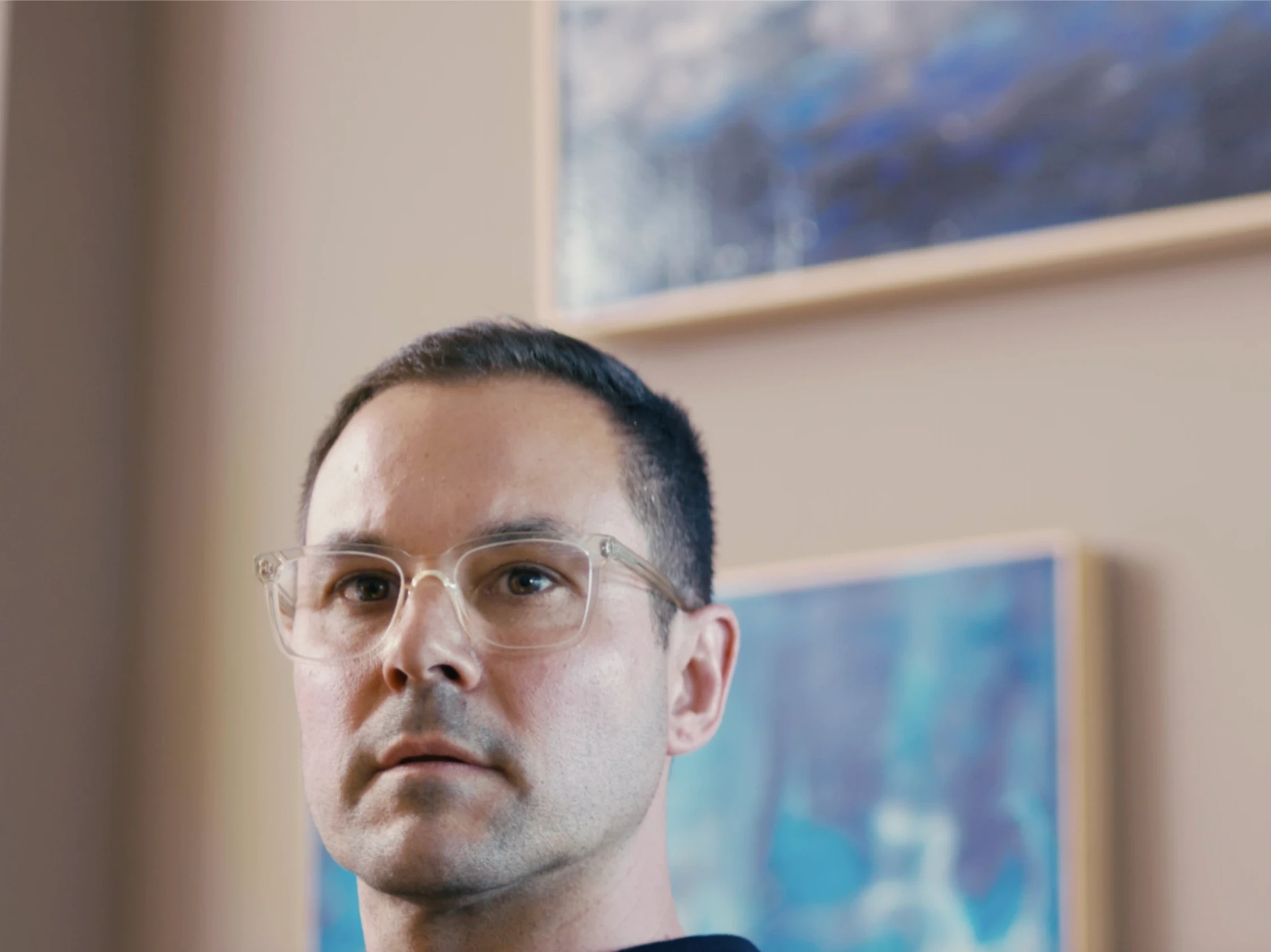
Aaron Moomaw
Aaron Moomaw
Portland Realtor - RSG Client
Portland Realtor - RSG Client


“Because when art is no longer held by people, it begins to float—disconnected, aestheticized, and ultimately, forgettable.”
“Because when art is no longer held by people, it begins to float—disconnected, aestheticized, and ultimately, forgettable.”